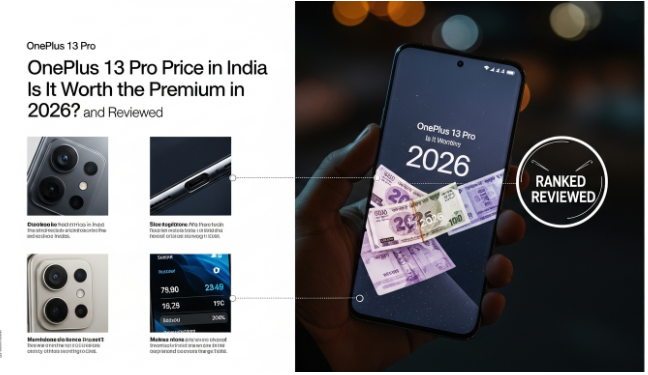
On a sports‑focused site, a phone like the OnePlus 13 Pro is more than specs; it’s your pocket stadium, scoreboard, and mini console. The problem is simple: this thing is priced like a serious flagship, while most 18–25‑year‑olds in India juggle fees, rent, and travel along with their love for cricket, football, and BGMI. This article exists to answer one tight question: does the OnePlus 13 Pro give enough extra value over cheaper phones to justify its premium in your life?
We’ll judge it by three angles that actually matter if you live on sports content: live streaming and display quality, gaming performance and thermals, and long‑term value versus its own non‑Pro sibling and rivals. By the end, you’ll know when paying 70K+ is smart, when it’s just flex, and exactly what type of user this phone is built for. This guide is perfect for Indian students and young professionals who watch or play sports daily; it is not for someone who mostly uses WhatsApp and only opens a sports app during IPL finals.
How We Ranked These The Criteria
To stay true to a sports niche, we treated the OnePlus 13 Pro like a kit upgrade for a player, not an abstract gadget. First, we looked at its expected price band in India, which hovers around ₹70,990–₹79,999 for the 12GB/256GB and 16GB/512GB models according to early price trackers and finance platforms. That automatically pushes it into “serious investment” territory for most 18–25‑year‑olds. So price‑to‑performance became the base layer.
On top of that, we scored three things higher than everything else:
- How good live sports look and feel on the 6.7–6.78‑inch LTPO AMOLED display with QHD‑class resolution and high refresh rate (up to around 165Hz in some leaks).
- How the Snapdragon 8 Gen 4‑class chipset handles long BGMI sessions, EA FC Mobile, and racing games without cooking your fingers.
- How the battery (around 4,800mAh with 100W–200W wired and strong wireless charging depending on final spec) impacts real day‑long match schedules and all‑night gaming.
We deliberately ignored camera specs that only matter to professional photographers and focused instead on: can this camera capture crisp stadium shots, low‑light hostel screenings, and training clips for Instagram and YouTube? We also compared it against the regular OnePlus 13 and other flagships like Galaxy‑level devices on value per rupee. The main limitation here: some 13 Pro details are still “expected” or “rumoured,” so small changes can happen at launch, but the price band and overall positioning are clear.
1. OnePlus 13 Pro [Best for hardcore sports and camera nerds with money]
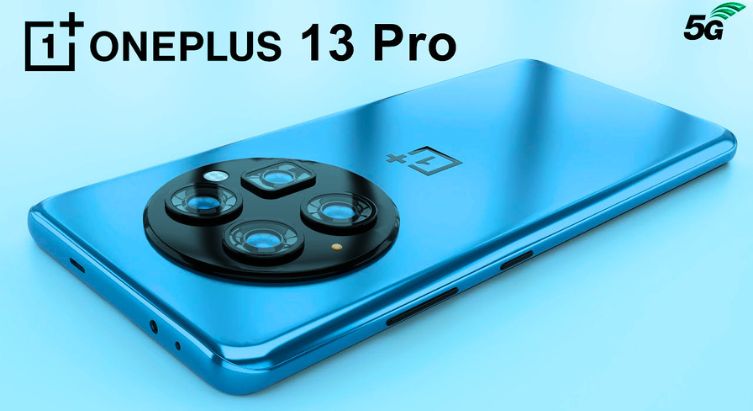
The OnePlus 13 Pro is expected to be OnePlus’s ultra‑premium flagship, sitting above the regular OnePlus 13 with a better camera system, higher‑end build, and possibly faster charging or improved display tuning. Reports and finance portals peg its India price in the ₹70,990–₹79,999 range for 12GB/256GB and 16GB/512GB models, though final MRP may vary slightly. Under the hood, it’s tipped to use a Snapdragon 8 Gen 4‑class chipset (or a similarly high‑end 8‑series variant), paired with up to 16GB or even 24GB RAM and UFS 4.0 storage, which means silly‑fast app loads and frame‑stable gaming.
What makes it stand out for a sports‑centric user is the full combo: a QHD‑class LTPO 2.0 or newer AMOLED panel with around 120–165Hz refresh, HDR support, and very high peak brightness for outdoor viewing. Live cricket or football in bright sun, in a bus with harsh glare, still looks clean and smooth. The camera setup is expected to use a big 200MP main sensor plus serious telephoto and ultra‑wide lenses in some leaks, or triple 50MP Hasselblad‑tuned sensors in others, either way aimed at flagship‑level photos and 8K‑ready video. For someone who films training clips, match days, or street football for Reels, that power matters more than it seems on paper.
The detail many spec sheets skip is how much battery and charging speed change your habits. When you actually try a phone with 100W–200W‑class charging, you stop “saving battery” and start using your phone more freely — full charge in under 30 minutes means you can game right before class without worrying. The honest limitation: this is not a rational pick if you’re stretching every rupee. You’re in a zone where Galaxy‑ and iPhone‑level options exist, and the regular OnePlus 13 already covers most needs for much less. Choose this if you want flagship flex, heavy gaming, and serious camera power in one phone and can comfortably cross ₹70K; skip it if you just want smooth sports streaming and stable gaming on a tighter budget.
ALSO READ: iPhone 16e Review India 2026 Ranked and Reviewed
2. OnePlus 13 (Non‑Pro) [Best for most young sports fans]
To judge whether the 13 Pro is “worth it,” you have to compare it to its closest rival: the normal OnePlus 13. The OnePlus 13 is already a serious flagship: Snapdragon 8 Elite, up to 24GB RAM and 1TB storage, a 6.82‑inch QHD+ LTPO AMOLED display with up to 120Hz, and a big 6,000mAh battery. In India, its price starts around ₹57,999 for lower RAM/storage variants and goes up for the 16GB/512GB model, which lands near but still under the expected Pro pricing.
For a typical 18–25‑year‑old sports fan, this regular model already nails the basics:
- Huge, bright QHD+ display with 1–120Hz dynamic refresh and up to 4,500 nits peak brightness, which makes daytime streaming or watching on the college ground easy.
- Massive 6,000mAh battery that comfortably survives a day of matches, classes, reels, and chats without your eyes constantly checking the percentage.
- Triple 50MP Hasselblad‑branded camera setup that’s more than enough for stadium shots, training clips, and night‑time hostel watch parties.
What nobody warns you about is how little most people actually use the “Pro extras” after the first week. Once the hype dies, you care more about battery life, heat under sustained gaming, and signal strength in your PG or hostel than about tiny differences in camera dynamic range. The honest limitation of the non‑Pro is prestige: it won’t feel as “maxed‑out” as the 13 Pro on paper. Choose this if you want almost all the performance and display power of a Pro phone but at a more realistic price; skip it only if you specifically want the best OnePlus camera and design they sell and you don’t mind paying for it.
READ MORE: Google Pixel 9a Price in India Full Specs, Camera & Value Analysis 2026 Ranked and Reviewed
3. High Value Rivals Around 50–60K [Best for value‑driven gamers and streamers]
To judge “worth the premium,” you also have to look outside OnePlus. In the 50–60K segment, you have strong rivals: phones like the standard OnePlus 13 at lower configs, some Samsung Galaxy S25‑series FE or base models, and performance‑centric brands like iQOO and Xiaomi’s flagship killers. Many of these already give you: 120Hz AMOLED displays, Snapdragon 8‑series or Dimensity flagship chips, and fast 80W–120W charging, all while staying well below the 13 Pro’s expected ₹70K+ tag.
If your main life loop is: wake up, check scores, commute, watch highlights, attend class, grind some BGMI, then stream football at night, these value phones can already keep up. Most people find that once gaming is smooth at 60–90fps and the screen is bright and fast, the extra 10–20K rupees on a Pro model feels more like ego than utility. In practice this means you might be happier putting that money into a 144Hz monitor, better headphones, or even a sports trip than into the top‑end phone.
One thing spec sheets gloss over is how after one year, even premium phones get hit by discounts and newer launches, which shrinks the “wow” factor of buying at full flagship price. The honest limitation of these value rivals is software polish and long‑term update promises; OnePlus and Samsung usually do better there than some aggressive gaming‑focused brands. Choose a 50–60K rival if you care more about value per rupee and are okay with losing some camera finesse or prestige; skip them if software stability and brand ecosystem matter more than saving that last 10–15K.
READ MORE: Nothing Phone 3 Price in India 2026 Expected Launch & Features Ranked and Reviewed
Head to Head Comparison Table OnePlus 13 Pro vs Real Alternatives
| Name | Key Strength | Main Weakness | Approx Price (India) | Best For | Rating (Sports/Gaming Use) |
| OnePlus 13 Pro (expected) | Top-tier display, camera, and charging in one package | Very high price; diminishing returns over non-Pro | ₹70,990–₹79,999 (12GB/256GB & 16GB/512GB expected) | Hardcore gamers and creators who want flagship prestige | 9/10 |
| OnePlus 13 (non-Pro) | QHD+ 120Hz display with huge 6,000mAh battery | Less fancy camera and design vs Pro | From ~₹57,999; higher for 16GB/512GB | Most young sports fans wanting top performance but lower cost | 9.2/10 |
| Other 50–60K Flagships | Strong gaming chips and high refresh OLEDs at lower prices | Mixed update policies and sometimes weaker cameras | ₹45,000–₹60,000 typical street price | Value-driven gamers and streamers | 8.5/10 |
For the most common use case — an Indian 18–25‑year‑old who streams a lot of cricket and football, plays BGMI or similar titles daily, and cares about money — the regular OnePlus 13 wins on balance. It offers nearly the same performance and display experience as the 13 Pro while saving a chunk of cash you can put into better audio, data plans, or actual sports activities.
How to Choose the Right One for Your Situation
Start with this question: What is your hard budget ceiling, not just wishlist? If it stops around ₹60K, the OnePlus 13 Pro is automatically out, and you should look at the regular OnePlus 13 or solid rivals instead. If you can go to ₹75K or more without worrying about EMI pressure, then the Pro becomes a realistic option.
Next, ask: Are you mainly a consumer or a creator? If you mostly watch matches, follow scores, and play games, the non‑Pro 13 already delivers flagship‑level smoothness and excellent battery. If you film a lot of match footage, training sessions, vlogs, and care about advanced camera and video features, the 13 Pro’s expected higher‑end optics and processing start to make sense.
Then, think about charging and schedule: Do you often need “panic charging” before leaving home? Phones with 100W–200W‑class charging like the 13 Pro make a real difference when you need a fast top‑up between coaching and college. If you live a more relaxed routine or have charging access everywhere, this advantage shrinks. Also consider: How long do you plan to keep the phone? If you want to stretch it over three to four seasons of IPL and World Cups, both the 13 and 13 Pro have enough headroom, so spending extra only for longevity does not change things much.
Finally, be honest: Is the “Pro” badge a real need or mostly flex for you? There’s nothing wrong with wanting a flex device, but that should be a conscious decision, not something you justify later. If you feel you’d regret skipping the best OnePlus camera and design when you can afford it, go Pro; if that sounds like marketing talking in your head, stick to the regular 13 and invest the savings elsewhere.
What to Avoid in This Category
A big trap with phones like the OnePlus 13 Pro is buying “leak hype” instead of waiting for clear India launch details and real‑world reviews. Many early specs are tagged as “unverified” and price estimates can shift, so locking your budget based only on rumours is asking for regret. Wait for final India pricing, launch offers, and at least a few trusted gaming and battery tests.
Another common mistake is judging value only on camera megapixels and display refresh rate. For a sports‑focused user, three more important checks are: thermal performance during 45‑minute gaming sessions, how bright the screen stays outdoors while watching a live stream, and how fast the battery drains while juggling streaming plus social apps. Also, avoid being blinded by “Pro” when the regular model already meets your needs for far less. In practice this means you should always compare the 13 Pro against the 13 at your required RAM/storage level before paying more.
People also often overpay for huge storage they never fill. If your current phone has 128GB and you’re using only 60GB after two years, jumping straight to 512GB “just because” on a 13 Pro is wasted money unless you’re planning a serious content‑creation push. One thing many young buyers get tricked by is launch‑day FOMO: they pay full price when, within months, bank offers and sale events bring down effective cost significantly. For a phone in this price band, waiting even a single major sale can be the difference between Pro and non‑Pro pricing.
Frequently Asked Questions
What is the expected price of the OnePlus 13 Pro in India?
Most current estimates place the OnePlus 13 Pro’s India price around ₹70,990 for the 12GB/256GB variant, with higher prices for 16GB/512GB or 1TB models. Some trackers even suggest it could land closer to ₹79,999 for top variants, positioning it directly against other ultra‑premium flagships. Final pricing will depend on taxes, storage options, and launch offers, so expect some variation. If your budget is around ₹60K, you should plan on looking at the regular OnePlus 13 instead.
Is the OnePlus 13 Pro worth paying extra over the OnePlus 13?
For most young Indian sports fans, the answer is no — the regular OnePlus 13 already offers a QHD+ 120Hz display, Snapdragon 8 Elite‑class power, and a huge 6,000mAh battery at a lower price. The 13 Pro mainly makes sense if you care strongly about a better camera system, potentially smarter display tuning, or design/build upgrades. If your main use is streaming matches, gaming, and social media, you’ll barely notice the Pro benefits in daily life. In that case, the non‑Pro model gives better value per rupee.
How good is the OnePlus 13 Pro for gaming like BGMI and football titles?
On paper, the OnePlus 13 Pro should be excellent for gaming thanks to a Snapdragon 8 Gen 4‑class chipset, up to 16GB or more RAM, and a high‑refresh (up to ~165Hz) QHD‑class AMOLED panel. That combo is built for high frame rates and quick touch response. When you actually play heavy games on this kind of hardware, what stands out is how stable the FPS feels during longer sessions, especially if the cooling system is tuned well. The only question will be thermals in Indian summers, so checking real‑world tests after launch is smart.
Is the OnePlus 13 Pro good for watching live sports outdoors?
Yes, it is expected to be very strong for outdoor viewing. The Pro should pack a bright LTPO AMOLED panel with QHD‑class resolution and high peak brightness, similar to or better than the 13’s 4,500‑nit peak figure. That means even under harsh daylight at a college ground or during travel, live cricket or football stays visible and colourful. The LTPO tech also helps adapt refresh rate, which can improve battery life during long streaming sessions.
How does the battery life of the OnePlus 13 Pro compare to rivals?
While final capacity can differ by a few hundred mAh depending on design, leaks suggest around a 4,800mAh battery with extremely fast wired charging (up to 200W in some reports) and strong wireless options. Many rivals in this category sit between 4,500mAh and 5,000mAh with 80W–120W charging. In practice, that means the 13 Pro should comfortably last a day of mixed use and then recharge from low to near full in well under 30 minutes. For sports fans who often forget to charge before a match, that “panic top‑up” speed is a real advantage.
Will the OnePlus 13 Pro get long-term software updates?
OnePlus has been improving its update promises, and for a flagship like the 13 Pro, you can reasonably expect several years of Android OS upgrades and security patches, similar to the regular 13. Exact numbers will be clearer at launch, but recent trends suggest around four major Android versions and five years of security updates for top‑end devices. For an 18–25‑year‑old buyer, that usually covers the full life of the phone until battery wear or changing needs push an upgrade.
Is the OnePlus 13 Pro camera really better than cheaper phones for sports?
The 13 Pro is expected to feature a high‑resolution main sensor (around 200MP or a triple 50MP Hasselblad‑tuned setup) with advanced telephoto and ultra‑wide lenses, plus 8K or advanced 4K video. That definitely beats mid‑range cameras for details, zoom quality in stadiums, and low‑light hostel or pub screenings. What surprised many users with earlier Pro models is how much better telephoto performance matters for sports — being able to zoom without mushy detail makes your match photos feel closer to being there. But if you only post casual clips to Instagram Stories, a good 50–60K phone can be “good enough.”
Should a student buy the OnePlus 13 Pro on EMI?
If you are a student, taking heavy EMI for a 70K+ phone only makes sense when: you create content seriously, need the camera and performance to support that, and your monthly cash flow can handle the EMI without stress. Many finance portals already show EMI options for expected OnePlus 13 Pro pricing starting under ₹900 per month for lower‑cost phones, but higher for this Pro tier. Most students are better off buying a cheaper flagship like the regular OnePlus 13 or a strong 50–60K rival and keeping EMI commitments lighter.
The OnePlus 13 Pro is a beast: insane performance, a likely elite camera setup, and flag‑level display and charging, but it asks for serious money in India. For most Indian 18–25‑year‑old sports fans, the smarter play is the OnePlus 13, which gives almost the same viewing and gaming experience at a lower price, while 50–60K rivals cover pure performance needs well. If you truly care about having the best OnePlus camera and can afford the premium without stretching, the 13 Pro is worth it; otherwise, lock in the regular 13 and put the savings into better audio, data, or real‑world sports.
What’s the maximum budget you’re actually comfortable spending on your next phone, including any EMI you’d be okay with every month?