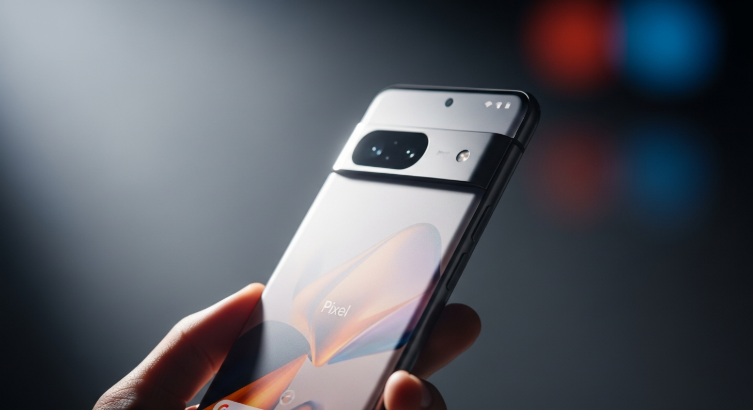
On this site, we care about phones as sports gear. Your phone is your live cricket screen, your quick VAR replay, and your pocket camera for gully goals and net sessions. The Google Pixel 9a launched in India around March 2025, with a price band that now sits near ₹39,999–₹44,999 for the 8GB/256GB version across major stores. That puts it in the exact zone where Indian students and young professionals start asking, “Do I go for a Pixel for camera and AI, or a gaming‑focused phone with crazy charging?”
This article exists to answer one tight question: is the Pixel 9a, at its current India price, the smartest phone you can buy if you live on sports, socials, and casual gaming? We rank it from three angles: camera and AI, match‑day experience (screen + battery), and overall value versus similar‑priced phones.
By the end, you’ll know if this is the phone you should buy on your next Flipkart/Croma sale, or if you’re better off with something flashier. If you only want highest‑FPS BGMI at 120Hz all day, this may not be your best fit.
How We Ranked These The Criteria
We started by locking the real India pricing, not just launch hype. The Pixel 9a is listed officially on the Google Store for ₹39,999 in India on EMI or full payment, and multiple price trackers show street prices between roughly ₹39,000 and ₹45,000 depending on colour and seller for the 8GB RAM, 256GB storage variant. That immediately tags it as an upper mid‑range phone, not a flagship and not a cheap budget device.
From there, we judged four concrete things that matter to sports‑focused users:
- Camera quality and consistency: 48MP main camera + 13MP ultra‑wide + 13MP front camera with 4K video and Pixel’s famous processing.
- Display and outdoor usability: 6.3‑inch OLED FHD+ 120Hz panel with strong brightness and Gorilla Glass 3 protection.
- Battery and charging: 5,100mAh battery with about 23W wired charging and Google’s Adaptive Battery features.
- Software and updates: Tensor G4 with Gemini AI features, clean Android 15, and up to seven years of security/OS support on some listings.
We deliberately didn’t chase “synthetic benchmark” scores because a sports fan cares more about match‑day experience than raw Geekbench numbers. We also compared it against two real rivals: gaming‑leaning 5G phones in the same price band and older flagship deals that sometimes hit 40–45K in sale seasons. Limitation: actual best‑price deals move week to week, but the 9a’s typical bracket and core specs are stable.
1. Google Pixel 9a [Best camera+AI value under ₹45K]
The Google Pixel 9a is Google’s mid‑range “a‑series” phone for 2025–26, but the spec sheet feels closer to a compact flagship. It runs on the Tensor G4 chip (same family as the Pixel 9 series), with 8GB RAM and 128GB/256GB UFS 3.1 storage; India widely gets the 8GB/256GB option. The 6.3‑inch OLED display offers FHD+ resolution (1080 x 2424), 120Hz refresh rate, and Gorilla Glass 3, so live matches and highlight reels look sharp and smooth. Powering it is a 5,100mAh battery with about 23W fast charging via USB‑C.
What really makes the Pixel 9a stand out is the camera and Google’s processing. You get a 48MP f/1.7 main sensor with OIS and dual‑pixel autofocus plus a 13MP ultra‑wide, and a 13MP ultra‑wide selfie camera that can shoot 4K video. In real use, most people find that Pixel cameras nail skin tones, stadium lights, and late‑evening shots better than typical mid‑range phones. In practice this means your floodlit turf games, indoor badminton, or under‑lights cricket photos look more “Instagram‑ready” straight out of camera. Modes like Best Take, Ultra HDR, and a new macro mode also make it easier to get interesting angles without editing forever.
The detail many spec sheets skip is how good pixels are at quick, no‑thought shots. When you actually try this, you stop opening the camera early to “set things up” — you just point, tap, and trust the phone for post‑processing. The honest limitation is charging and raw performance: 23W feels slow next to 80W–120W rivals, and Tensor G4 is smooth but not a gaming monster like some Snapdragon flagships. Choose this if you care more about camera, AI features, and clean Google software than max charging speed or frames; skip it if your top priority is long, hot BGMI sessions and super‑fast charging after every game.
2. Pixel 9a for Sports Fans [Best compact match‑day phone with stable battery]
Here we treat the Pixel 9a as a sports companion, not just a camera phone. The 6.3‑inch size is slightly smaller than many 6.7‑inch slabs, which makes it easier to hold for one‑hand scoring apps, Fantasy team changes, and quick Twitter/X reactions during matches. The 120Hz OLED with strong brightness (leaks mention up to around 2,700 nits peak) makes daytime cricket or football streaming more comfortable, especially on terraces or college grounds. IP68 dust and water resistance also means an accidental splash during monsoon matches or sweaty pockets is less scary.
Battery is 5,100mAh, which on paper is bigger than many flagships; combined with Google’s Adaptive Battery and newer Android power optimisations, you realistically get a full day of heavy score checking, a few hours of streaming, socials, and some light gaming. Most people find that with Tensor G4, the phone stays smooth for regular use, and the 120Hz display makes scrolling sports feeds feel fast. In practice this means you can watch an entire ODI or double‑header T20 day over mobile data (with some breaks) and still have enough juice to get home.
What nobody warns you about is how much you start relying on Google’s AI features once you get used to them. Things like on‑device summarisation, live translation, and better voice typing during heated group chats about a match feel small individually but stack up over time. The honest limitation is that charging at around 23W requires planning: a full top‑up takes longer than the 30‑minute rapid charges you get from Chinese brands, so late‑night users who forget to plug in might get caught. Choose this if your match‑day life is more about watching and sharing, less about back‑to‑back gaming marathons; skip it if your schedule is chaotic and you always need ultra‑fast refills.
Also Read: Best Camera Phone Under ₹30000 in India 2026 Photography Lovers Guide
3. Pixel 9a vs Similar‑Priced Rivals [Best for camera and updates, not raw speed]
To judge value, you have to see the Pixel 9a next to its real competition. Around ₹40,000–₹45,000 in India, you’ll find phones like OnePlus Nord‑flagships, iQOO Neo series, some Xiaomi/Redmi K series, and older Samsung Galaxy FE or S‑series models during sales. Many of these offer higher charging speeds (80W–120W), slightly bigger displays, and sometimes more aggressive gaming performance with Snapdragon 8‑series chips. On paper, they can look more appealing to a performance‑driven user.
But Pixel 9a hits back with three things: Google’s camera tuning, long software support, and AI features built into Android. GSMArena and other sources highlight that it shares Tensor G4 with higher Pixel 9 models and that it features the same AI‑powered camera stack, just with a slightly smaller sensor than Pixel 8a but added macro mode. In practice that means your everyday sports photos and videos look more consistent than many rivals, especially at night or with mixed lighting. Also, listings mention up to seven years of updates, putting it closer to Samsung’s new standard and way ahead of most mid‑rangers that get three years at best.
When you actually live with a Pixel in this price band, the thing that surprised me is how “quietly good” it is. It doesn’t scream with gaming RGB, but it almost never embarrasses you with weird photos or random UI bugs. The honest limitation: if you’re very into performance gaming or want the biggest possible screen for split‑screen match + chat, some rivals feel more exciting. Choose the 9a if you want a trusted camera+software combo and keep phones for 3–5 years; skip it if you love tweaking gaming modes and don’t mind changing phones more often.
Also READ: Best 5G Phone Under ₹15000 In India (2026): The List Your Cousin Will Ask For Later
Head-to-Head Comparison Table Pixel 9a vs Real Alternatives
| Name | Key Strength | Main Weakness | Approx Price in India (May 2026) | Best For | Rating (Sports/Camera Use) |
| Google Pixel 9a (8GB + 256GB) | Class-leading camera + clean Android + long updates | Slow 23W charging; not a pure gaming beast | Launch around ₹49,999; current ~₹39,999–₹45,000 | Sports fans who value photos, AI features, and reliability | 9/10 |
| Gaming-focused 5G Rivals (40–45K) | Very fast charging, higher FPS, bigger batteries | Average cameras; heavier UIs, fewer updates | Typically ₹35,000–₹45,000 on sale | BGMI / Call of Duty players who want max performance | 8.5/10 |
| Older Flagship Deals (S-series, etc.) | Better raw performance, stronger build, extras | Shorter remaining update window; mixed availability | ₹40,000–₹50,000 during big sales | Users hunting flagship feel at a discount | 8.7/10 |
For the most common use case an Indian 18–25‑year‑old who wants great photos and videos of matches, stable daily performance, and long support more than benchmark scores the Google Pixel 9a clearly wins in this price band. Its camera+software combo is genuinely hard to beat under ₹45K.
How to Choose the Right One for Your Situation
Start with your budget line: What’s the maximum you can actually spend, including any EMI you’re okay with? If that number stops near ₹35K, the Pixel 9a becomes a stretch, and you’re better off with a cheaper gaming‑focused phone or older Pixel/“a”‑series model. If you can go to ₹40K–₹45K, the 9a sits right in range, especially during sale periods.
Next, ask: How important is camera quality to you, really? If your phone is your main camera for stadium trips, coaching sessions, and college tournaments, and you often post to Instagram, Pixel’s 48MP + 13MP combo and Google’s processing will pay off daily. If you rarely shoot anything except a few quick snaps, you might not fully use that advantage, and a gaming‑centric rival becomes more appealing.
Then, consider your daily usage pattern: Are you a streamer or a grinder? If you mostly stream matches, scroll socials, use WhatsApp and Telegram groups, and play a bit of FIFA‑style or cricket games in between, Tensor G4 and 120Hz are more than enough. If you sit on ranked lobbies for hours, chasing 90–120fps with heavy graphics, you’ll feel more at home with a Snapdragon 8‑series gaming phone in the same price range.
Another key question: How long do you normally keep a phone? If you like using one device for 3–5 years, the Pixel 9a’s long update promise and Google‑first software support are huge advantages. If you swap phones every one to two years chasing new hardware, an older flagship deal or aggressive brand with faster charging might suit your style better. Finally, ask yourself: Do you enjoy clean, minimal software or heavy “feature‑packed” skins? If you hate bloat and random notifications from system apps, Pixel’s version of Android will feel like a breath of fresh air.
Also READ: Best Phone Under ₹20000 in India 2026: The Budget “Flagships” No One Warned You About
What to Avoid in This Category
A big mistake is looking only at headline specs like “120Hz OLED, 8GB RAM, 256GB” and assuming all phones in this price range feel the same. With the Pixel 9a, the real magic is in Google’s image processing, AI features, and update policy — things that don’t show up in a spec row but show up every day in how stable and consistent the phone feels. Buying purely on numbers can push you towards a gaming phone that feels fast but annoys you with bloat and average cameras.
Another red flag is ignoring charging speed. If you’re the kind of person who always forgets to plug in at night and depends on 20–30 minute morning top‑ups, 23W charging may frustrate you when rivals zip from 0–80% in half an hour. In practice, this means Pixel 9a works best for users who charge while studying, working, or sleeping, not last‑minute panic chargers. Also avoid assuming Tensor G4 equals “gaming monster” just because it’s a flagship chip; it’s built for balanced performance and AI, not pure FPS bragging.
People also get tricked by launch price vs real street price. Some reviewers still quote early ₹49,999 figures, while Google’s own Store and several retailers now list around ₹39,999–₹44,999 depending on colour and offers. Always check current pricing from at least two big platforms before deciding. And one more thing: don’t buy Pixel 9a if all your friends are hardcore gamers and you only want to keep up with their FPS numbers; you’ll be happier on a gaming‑tuned Snapdragon device and avoid buyer’s remorse.
Frequently Asked Questions
What is the current Google Pixel 9a price in India?
As of May 2026, the Google Pixel 9a’s India price for the 8GB RAM, 256GB storage variant generally ranges between about ₹39,999 and ₹45,000 depending on colour and retailer. The Google Store lists it around ₹39,999 with EMI options. Price comparison sites show offers on Amazon and other platforms starting near ₹42,790 for some colours, going up to around ₹49,930 for others. Always check live listings because deals change often around sale events.
What are the full key specs of the Google Pixel 9a?
The Pixel 9a features a Google Tensor G4 chip paired with 8GB RAM and 128GB or 256GB UFS 3.1 storage, with 256GB common in India. It has a 6.3‑inch OLED FHD+ display (1080 x 2424) with 120Hz refresh rate and Gorilla Glass 3 protection. The dual rear camera system includes a 48MP OIS main and 13MP ultra‑wide, while the front camera is 13MP with 4K video. Power comes from a 5,100mAh battery with around 23W wired charging, and it runs Android 15 with Google’s AI features.
How good is the Pixel 9a camera compared to other phones under ₹45K?
The Pixel 9a’s camera is one of the best in its class, mainly because of Google’s processing on top of the 48MP main sensor and 13MP ultra‑wide. Reviews and camera tests highlight features like Ultra HDR, macro mode, Best Take, and very reliable skin tones. For sports fans, this means sharper action shots, better low‑light stadium photos, and more usable quick snaps than most similarly priced rivals. While some phones may have higher megapixel counts, Pixel 9a usually wins in consistency and dynamic range.
Is the Pixel 9a good for watching live sports and streaming?
Yes, it’s very strong for streaming. The 6.3‑inch 120Hz OLED screen with FHD+ resolution gives sharp, smooth visuals, and leaks mention peak brightness up to around 2,700 nits, which helps in bright environments. The 5,100mAh battery plus Adaptive Battery features mean you can watch long matches without constant battery anxiety. While the display is a bit smaller than 6.7‑inch phablets, many people find it easier to hold during long sessions and one‑hand use.
How does the Pixel 9a perform in gaming?
Pixel 9a’s Tensor G4 chip and 8GB RAM handle casual and mid‑heavy gaming well, including popular titles like BGMI and football games. You get smooth gameplay at decent settings, especially with the 120Hz screen, but it’s not tuned like a dedicated gaming phone with extreme cooling or 144Hz panels. Long, max‑graphics sessions can generate more heat than on some Snapdragon 8‑series gaming phones. If gaming is your main priority, you may find better raw performance at similar prices from brands like iQOO or Xiaomi.
What is the battery life like on the Google Pixel 9a?
With a 5,100mAh battery, the Pixel 9a offers strong endurance for a mid‑range device. Google claims over 24 hours of use with Adaptive Battery and up to 72–100 hours with Extreme Battery Saver in some scenarios. In real life, reviews report a full day of mixed use — streaming, browsing, messaging, and some gaming — with charge left at night. The only downside is the 23W charging speed, which is safe and reasonable but slower than the 80W–120W standards used by some rival brands.
How many years of software updates will the Pixel 9a get?
Pixel 9a benefits from Google’s strong update policy. Listings and retailer pages mention up to seven years of security and OS updates for this generation, aligning with Google’s more recent long‑term support commitments. That means you can buy the phone in 2025–26 and still receive updates well into the early 2030s. For students or early‑career buyers, this easily covers the full expected lifespan of the device.
Is the Google Pixel 9a waterproof?
The Pixel 9a comes with IP68 dust and water resistance, according to spec sheets and leaks. IP68 means it can handle dust and being submerged in clean water for a limited depth and time under lab conditions. In real life, it offers protection from rain, accidental splashes, and brief drops in water, which is handy if you’re using it outdoors for sports or during monsoon season. It’s still not a licence to use it underwater on purpose.
Is the Pixel 9a worth buying in 2026 for an Indian student?
For many Indian students in the 18–25 bracket, the Pixel 9a is worth it if your budget stretches to around ₹40K–₹45K and you care a lot about camera quality, clean software, and long support. It’s especially good if you record a lot of match clips, want reliable photos during college events, and appreciate Google’s AI features. If you’re mainly a heavy gamer or need ultra‑fast charging due to chaotic schedules, you might be happier with a different brand. For a balanced sports, social, and study life, it’s one of the safest picks under 45K.
The Google Pixel 9a sits in a sweet spot: Google Tensor G4, 6.3‑inch 120Hz OLED, 5,100mAh battery, and a 48MP+13MP camera combo that punches above its weight, all usually under ₹45K in India by 2026. For an Indian 18–25‑year‑old who cares about capturing sports moments, having a stable phone for three to five years, and enjoying Google’s AI tools, the Pixel 9a is one of the best value buys right now. Your next step: check real‑time prices on the Google Store, Flipkart, and at least one offline retailer, and if you see the 9a around the 40–42K mark, it’s a strong green signal to go for it.
Which matters more to you personally top‑tier camera and clean software, or max‑level gaming performance and ultra‑fast charging?