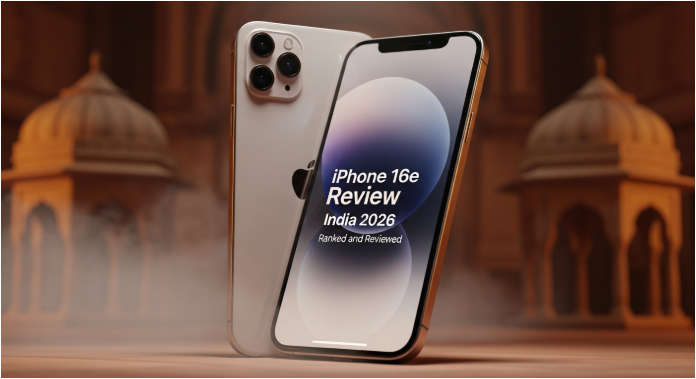
If you follow sports all day, your phone is your TV, your scoreboard, and your highlight machine. Our site lives in that world: Indian sports fans checking scores between classes, streaming night matches, and cutting reels for Instagram and YouTube. This review exists for one clear question: should a sports‑crazy Indian student or young professional actually spend 60K on the iPhone 16e, or is an Android better?
We judged the 16e on four things that matter for this niche: live sports streaming, gaming performance, camera for reels and shorts, and long-term value across 4–5 years. Battery, display, and storage were judged only in that context, not just as brag numbers. By the end of this iphone 16e review blog, you will know if the 16e fits your typical day: 4–5 hours of video, social media, some BGMI/CoD, and lots of photos and short clips.
This breakdown is most useful if your budget is roughly 55–70K and you’re okay switching ecosystems or buying your first iPhone. It’s not for someone who only uses WhatsApp and YouTube and just wants “an Apple logo”—for that, there are cheaper ways to flex.
How We Ranked These The Criteria
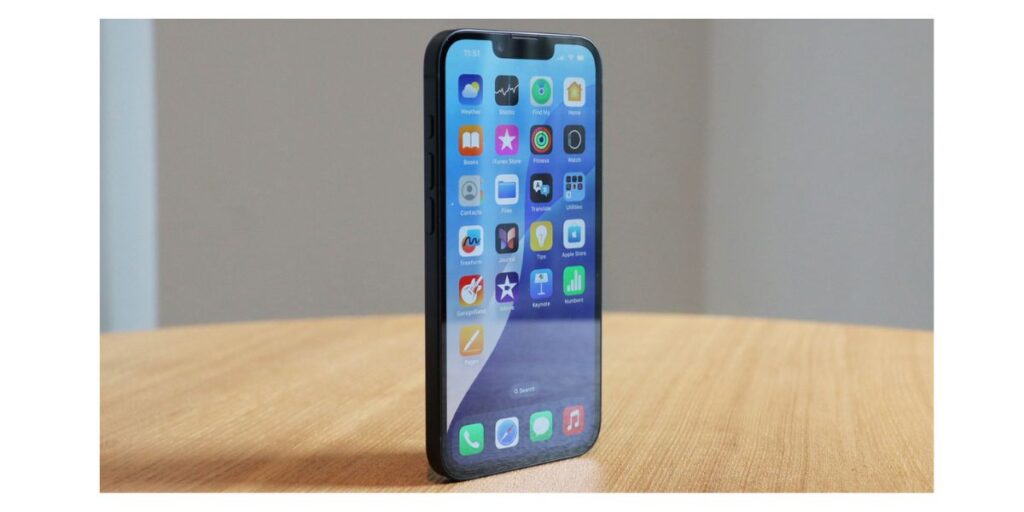
We treated the iPhone 16e as one option among real alternatives a young Indian sports fan will consider: older iPhones like the 13/14, the regular iPhone 16, and Android flagships like OnePlus and Samsung in similar price bands. The core question: if you spend around 60K, which device gives the best everyday sports + content life for the next four years?
The main criteria were:
- Streaming quality and stability on apps like JioCinema, Hotstar, SonyLIV, YouTube.
- Gaming performance in titles like BGMI, Free Fire Max, CoD Mobile—frame rate, heat, and battery drain with the A18 chip.
- Camera performance for daylight, stadium lights, and indoor hostel lighting—especially 48 MP main camera and 12 MP front camera.
- Battery life and charging on busy match days with a lot of 5G and hotspot usage.
- Longevity: iOS update support and resale value across 4–5 years.
We deliberately ignored things like “it doesn’t have a 120 Hz display like Android X” as a pure spec complaint and instead asked: does 60 Hz actually hurt match watching or day‑to‑day scrolling for this audience? We also didn’t chase tiny benchmark differences that don’t show up in actual BGMI or FIFA Mobile matches. The limitation: we’re comparing the 16e mostly against its realistic competition in India, not exotic imported phones or ultra‑premium 1.5L+ devices.
Bottom line: every claim here is tied to how a real Indian sports fan will actually use the phone not just lab numbers.
iPhone 16e Best for Sports Fans Wanting Their First iPhone
The iPhone 16e is Apple’s “cheapest new 16‑series” model, aimed at people who want an updated design and A18 performance without touching 80K+. You get a 6.1‑inch Super Retina XDR OLED display, the A18 chip, 8 GB RAM, and a 48 MP main camera in a familiar, compact body. In India, it starts at ₹59,900 for 128 GB, with 256 GB and 512 GB going up to ₹89,900.
What makes it stand out is the combination of Apple’s A18 performance and long software support in a price band where Android flagships start to age after 2–3 years. For sports-heavy use, that means smoother streaming, less lag in live score apps, and better editing of match clips without the phone heating like crazy. The 48 MP camera with OIS handles stadium night lights surprisingly well for a “cheaper” iPhone, and the 12 MP front camera makes front‑row‑feeling selfies and short fan videos look sharp.
A detail most people miss: the 16e keeps a 60 Hz panel, but Apple’s touch response and tuning make it feel smoother than many mid‑range 120 Hz Androids with heavy skins, especially in scrolling and simple animations. The honest limitation is that once you’ve used a true high‑quality 120 Hz OLED on a flagship Android, going back to 60 Hz in fast‑paced games is noticeable, especially in FPS titles and quick swipes in menus.
Verdict: Choose this if you want your first iPhone for sports streaming, social media, and casual‑to‑mid gaming and you care about 4–5 years of updates more than top‑spec displays. Skip it if you are a hardcore competitive gamer who values 120 Hz and super‑fast charging above ecosystem and camera consistency you’ll feel more at home on a top Android in the same budget.
Head to Head Comparison Table iPhone 16e vs Real Alternatives
For a real decision, we compare four phones an 18–25‑year‑old Indian sports fan might cross‑shop around the iPhone 16e price: iPhone 16e, iPhone 14 (still on shelves with offers), iPhone 16, and a typical Android flagship around 55–65K such as the OnePlus 13R/Samsung Galaxy S24 FE (spec profile, not a single unit). Prices are approximate street or listed prices in 2026 India.
| Name | Key Strength | Main Weakness | Approx Price (India) | Best For | Rating (Sports Use) |
| iPhone 16e | A18 power + 48 MP camera at lowest 16-series price | 60 Hz display, slower charging vs Android rivals | ₹59,900–₹89,900 depending on storage | First-time iPhone buyers wanting 4–5 year life | 8.5/10 |
| iPhone 14 (128 GB) | Cheaper entry into iOS with decent camera | Older A15 chip, fewer years of updates left | Often around mid-40K during sales | Budget iOS entry where 120 Hz not a concern | 7.5/10 |
| iPhone 16 | Better overall package with more features and refinements | ₹20K jump over 16e hurts student budgets | Starts at ₹79,900 in India | Users who want latest design and can stretch budget | 9/10 |
| Android Flagship (55–65K) | 120 Hz display, very fast charging, bigger battery | Heavier skins, shorter update window, lower resale | ₹50,000–₹65,000 range | Hardcore gamers and spec-focused users | 8/10 |
In the most common use case—an Indian college student who streams cricket, football, and F1, plays BGMI a few times a day, and posts regular reels the iPhone 16e edges ahead because of stability and longevity. Android rivals will feel snappier while gaming and charging, but over four years, the 16e’s consistent performance, ecosystem, and resale value usually deliver better total value for this type of user.
Also READ: Google Pixel 9a Price in India Full Specs, Camera & Value Analysis 2026 Ranked and Reviewed
How to Choose the Right One for Your Situation
Start with one simple question: how long do you want to keep this phone? If your answer is 2 years or less, an Android flagship around 60K with 120 Hz and super‑fast charging might make more sense than the 16e, because you’ll fully enjoy the display and charging every day and won’t keep it long enough to feel the resale/value gap. If you’re thinking 4–5 years, the iPhone 16e or 16 becomes smarter because of iOS update support and resale strength.
Second, ask yourself: how serious are you about mobile gaming? If you’re grinding ranked BGMI or CoD daily and notice frame pacing differences, a high‑refresh Android screen plus big battery and faster charging will feel better. If you’re more into streaming matches and casual gaming, the 16e’s A18 plus 60 Hz is more than enough, and you’ll enjoy smoother apps and better optimization across seasons.
Third: how important are your cameras for content? If you do basic photos and occasional clips, even an iPhone 14 will deliver clean results. If you shoot stadium vlogs, street football, or practice sessions in mixed light and want consistent, edit‑ready footage, the 16e’s 48 MP camera and improved processing is worth the extra money over older iPhones.
Fourth: can you live without 120 Hz? If you’ve never used a high‑refresh panel, you won’t miss it much on the 16e because Apple’s animations hide the 60 Hz limit pretty well in everyday use. If you’re coming from a smooth 120 Hz Android and are very sensitive to motion blur and scroll feel, you’re better off either jumping to the regular iPhone 16 or staying Android flagship.
Quick map: 2‑year gamer → Android flagship; 4‑year balanced user → iPhone 16e; 4 year with extra budget → iPhone 16; tight budget iOS entry → iPhone 14 during sale.
ALSO READ: Best Camera Phone Under ₹30000 in India 2026 Photography Lovers Guide
What to Avoid in This Category
One big mistake is buying an older iPhone just because “it’s cheaper and still an iPhone” without checking its remaining update life. For example, going for a deep‑discount iPhone 12 or 13 in 2026 may save money now but could cost you in app support, security updates, and resale just when streaming and gaming apps start expecting newer chipsets. If you’re already stretching for the Apple experience, cutting too many years off the future is a bad trade.
Another trap: chasing 120 Hz and 240 W charging on Android without checking thermals and throttling during long matches or long Hotstar sessions. Many phones look amazing in spec sheets but warm up quickly in Indian summers with 5G streaming, forcing brightness drops or frame dips exactly when you’re watching a close chase or extra time. What nobody warns you about here is how often you’ll end up lowering settings just to keep temps under control.
Also watch out for low‑base‑storage models. A 128 GB iPhone 16e fills up faster than you think once you stack offline matches, downloaded series, match clips, and RAW or 4K video. Going for 256 GB is often the smarter long‑term play, especially if you don’t want to constantly delete highlights or uninstall games. The common overpay? Spending extra only for a “special colour” or minor cosmetic change instead of a meaningful spec like storage or battery support accessories.
If a deal looks too good, always check: update promise, thermals under load, and usable storage not just the marketing banner.
ALSO READ: Best Phone Under ₹20000 in India 2026: The Budget “Flagships” No One Warned You About
Frequently Asked Questions
Is the iPhone 16e good for BGMI and other mobile games?
The iPhone 16e runs on the A18 chip with a 6‑core CPU and upgraded GPU, which easily handles popular games like BGMI, CoD Mobile, and Genshin at high settings. Benchmarks show a clear jump over older A16 and A15 devices, and in practice that means smoother frame rates and fewer drops during intense fights. Most people find that the combination of Apple’s optimization and the A18 delivers a very stable gaming experience even in long sessions. The main limitation is the 60 Hz display—frames are smooth but you don’t see as many on‑screen refreshes as a 120 Hz Android, which competitive gamers may notice.
Is the iPhone 16e worth buying over the iPhone 14 in India?
In India, the iPhone 14 often sells cheaper during sales, so it can be tempting if you just want “an iPhone.” The 16e, however, brings the newer A18 chip, 8 GB RAM, and a 48 MP main camera, giving you better performance, improved photos, and a longer update window. When you actually try both side by side, app load times, camera detail, and overall responsiveness feel more future‑proof on the 16e. If you plan to keep the phone more than two years and care about cameras and gaming, the 16e is usually worth the extra money.
How is the iPhone 16e battery life for streaming sports?
The iPhone 16e packs around a 4005 mAh battery, tuned with Apple’s usual focus on efficiency and real‑world use. For typical mixed use with a few hours of streaming on Wi‑Fi and some 5G, it comfortably lasts a full day; Apple quotes up to around 26 hours of video playback, which matches reports from early coverage. In practice this means you can watch an evening match, scroll socials, and play some games without touching a charger before bed. The flip side is that charging speeds don’t match the crazy fast Android numbers, so quick top‑ups need a bit more planning.
Does the 60 Hz display on the iPhone 16e feel outdated?
On paper, yes—many Android phones under 30K already offer 120 Hz. But Apple’s OLED panel, color accuracy, and touch response help the 16e feel smoother than the spec suggests. For scrolling Instagram, Twitter, and live scores, most users won’t feel it as a big downgrade unless they are coming from a high‑quality 120 Hz screen. In gaming, heavy players will notice less fluid animations compared to 120 Hz Androids, especially in FPS games. If you’re ultra‑sensitive to motion smoothness, you should either stretch to the regular iPhone 16 or consider an Android flagship in the same price band.
Is the iPhone 16e camera good enough for sports content and reels?
The 16e’s 48 MP main camera with OIS and 12 MP front camera deliver sharp, stable video that works great for stadium footage, indoor watch parties, and casual vlogs. Compared to older base iPhones, you get better detail, improved low‑light performance, and more flexible cropping for vertical content. Most people find that clips from the 16e need less colour correction before posting, especially under mixed lighting like street football or hostel corridors. The missing piece is a dedicated telephoto lens, so zoomed‑in shots from far in the stands won’t match Pro models—but for close and mid‑range content, it’s more than enough.
How does the iPhone 16e handle Indian 5G networks?
The iPhone 16e supports 5G across common Indian bands, and carriers like Jio and Airtel already list the 16‑series as fully 5G compatible. That means fast streaming and low latency in many urban areas, useful when you’re watching live scores or streams on the go. What surprised me is how stable the experience feels even when switching between 5G and 4G zones; Apple’s radio tuning has improved a lot over early 5G generations. The only catch is that extended 5G streaming can still warm the phone and drain battery faster, which is true for most phones, so long‑match days might need some Wi‑Fi where possible.
How many years will the iPhone 16e get iOS updates?
Apple typically supports its iPhones with major iOS releases for around five years from launch, sometimes longer. Since the 16e launched in 2025, you can reasonably expect updates well into the late 2020s, which covers an entire college life plus early job years for many buyers. That’s a big reason the 16e is attractive: your apps, security patches, and new iOS features keep coming while many Android rivals in this price band slow down on updates. For someone who doesn’t want to think about upgrading every two seasons, this long runway is a major value factor.
Is the iPhone 16e overpriced in India compared to the US?
Like most Apple products, the iPhone 16e carries a higher price tag in India compared to its US starting price of around $599. Taxes, import duties, and local pricing strategies push the Indian base price to about ₹59,900 for 128 GB. That can make it feel expensive when Android brands offer seemingly bigger specs for less. The trade‑off is that iPhones tend to hold resale value much better here, and offers during online sales or bank discounts can soften the price difference over the phone’s life. If you can catch it during a good sale, the “overpriced” feeling drops a lot.
Conclusion
For Indian 18–25‑year‑olds who live on sports streams and social apps, the iPhone 16e is the default smart iPhone pick: strong A18 performance, stable cameras, and long iOS support without hitting 80K. If you can stretch your budget, the regular iPhone 16 wins with a more complete package and fewer compromises, while hardcore gamers and two‑year switchers still get better raw value from a 120 Hz Android flagship in the same band.
For the most common use case—college, sports, socials, and some gaming—the clear recommendation is: buy the iPhone 16e only if you can get at least the 256 GB variant at a good sale price; otherwise, either go Android flagship or save more for the regular 16. Your next step: check current sale prices for the 16e 256 GB and compare them with offers on a 120 Hz Android flagship—whichever is within 5K of your budget and fits your usage style should be your pick.
What’s your realistic budget ceiling right now for this phone—around 55K, 60K, or closer to 70K?