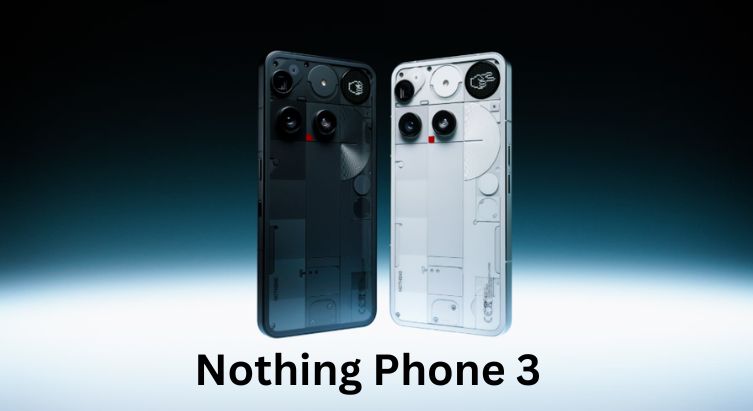
On a sports‑focused site, a phone is not just specs. It’s the screen you watch late‑night Champions League on, the camera you use to record gully cricket, and the device you spam live scores with all day. The Nothing Phone 3 is Nothing’s bold step into the premium tier, with a launch tag around ₹79,999 for 12GB/256GB and ₹89,999 for 16GB/512GB, though 2026 listings now show effective prices starting near ₹49,999 in India depending on configuration and offers. That gap between “official premium” and “real street price” is exactly what confuses most young buyers.
This article exists to answer a very narrow question: as of 2026, is the Nothing Phone 3 at its current India prices actually a smart buy for a sports‑loving student or young professional? We ranked it not just once, but across three real views as a flagship for streaming, as a gaming phone, and as a creator too then weighed it against your budget. By the end, you’ll know who should buy it on EMI, who should wait for a price drop, and who should skip it for a saner option. If you are happy with a basic phone that just runs WhatsApp and occasional live scores, this phone is honestly not made for you.
How We Ranked These The Criteria
We treated the Nothing Phone 3 like gear for a player: overkill is fun, but only if it actually changes how you play. So we started with hard numbers. At launch, Nothing priced the Phone 3 at ₹79,999 for 12GB + 256GB and ₹89,999 for 16GB + 512GB in India, positioning it as the brand’s first clear premium flagship here. By 2026, comparison and spec sites report a starting price around ₹49,999 for certain configurations, likely reflecting either offers, updated SKUs, or market corrections. That wide spread told us one thing: you can’t judge this phone on MRP alone.
Then we scored what actually matters for a sports‑heavy user:
- Display: the 6.7‑inch LTPO OLED 1.5K screen, high refresh rate, and peak brightness for outdoor match viewing.
- Performance: the Snapdragon 8s Gen 4 chip with 12GB or 16GB RAM, which handles live streaming, heavy social, and long gaming sessions.
- Battery: a 5,150mAh cell with up to 100W wired plus wireless and reverse wireless charging, which shapes full‑day match and gaming habits.
We deliberately ignored pure “aesthetic hype” around the new dot‑matrix Glyph Matrix and transparent back when ranking, and instead asked: does it help a sports fan use the phone better in real life? We also compared it mentally with Nothing’s earlier mid‑range pricing and rival flagships around 50–80K. The limitation here: prices can shift during sale seasons, but the broad range and hardware positioning are clear enough to judge in 2026.
1. Nothing Phone 3 (12GB + 256GB) [Best display+performance combo for hardcore sports fans]
The 12GB + 256GB variant is the “entry” configuration for the Nothing Phone 3, but its launch price is anything but entry: ₹79,999 in India, according to multiple finance and news sources. Specs are proper flagship: a 6.7‑inch LTPO OLED display with 1.5K resolution, high refresh rate (up to 120Hz class), Qualcomm Snapdragon 8s Gen 4 chipset, 12GB RAM, 256GB UFS storage, and a 5,150mAh battery with 100W wired plus wireless and reverse wireless charging. In plain terms, it’s built to steamroll through live streaming, multi‑app usage, and top‑tier mobile games.
What makes this variant stand out for a sports‑obsessed 18–25‑year‑old is how balanced it feels. Most people find that 256GB is a sweet spot: enough space for several heavy games, a ton of downloaded highlights, and years of match photos without constantly deleting things. In practice this means you can keep official league apps, fantasy apps, and large gaming titles all installed without worrying about storage every week. The LTPO panel also helps with battery because it can drop the refresh rate when content doesn’t need it, so you survive long match nights without hugging a charger.
The detail many spec lists skip is how the new Glyph Matrix can quietly make your sports habit less distracting: you can assign specific light patterns to your go‑to sports apps, so you know when a goal or wicket alert hits without even flipping the phone over. The honest limitation is obvious price. Even with 2026 prices around ₹49,999 on some platforms for 12/256‑class configs, you’re still paying serious money compared to strong mid‑rangers. Choose this if you want a premium screen, strong battery, and clean software, and you actually watch or play enough to justify it; skip it if your budget ceiling is closer to 40–45K or you don’t use your phone like a mini stadium every day.
Also Read: Google Pixel 9a Price in India Full Specs, Camera & Value Analysis 2026 Ranked and Reviewed
2. Nothing Phone 3 (16GB + 512GB) [Best for creators and serious multi‑taskers]
The 16GB + 512GB Nothing Phone 3 is the “fully loaded” option. At launch in India, this model was set at ₹89,999, putting it directly against big brands like iPhone 16‑series and Galaxy S25+‑tier devices. Under the hood, it keeps the same Snapdragon 8s Gen 4, 6.7‑inch LTPO OLED 1.5K display, 5,150mAh battery, 100W fast charging, and wireless charging, but doubles storage from 256GB to 512GB and bumps RAM from 12GB to 16GB. This is less about basic usage and more about “never think about limits” usage.
For a sports‑heavy creator or athlete, that difference is real. If you record training clips daily, shoot 4K highlight reels, and run editing apps while packing heavy games and social media, 512GB prevents that annoying “storage almost full” alert just when you’re about to film something important. When you actually try working like this for a few months, what surprises you most is how often you jump between projects and apps without reloads 16GB RAM gives you that headroom in a way cheaper phones simply don’t. The triple 50MP rear cameras (main, ultra‑wide, and 3x periscope telephoto) plus 50MP selfie also lean into this creator angle.
What nobody warns you about is how this kind of spec can be overkill if you’re not truly exploiting it. Many buyers end up using 150–200GB max and never see the point of the extra 300GB they paid for. The honest limitation is brutal: price‑to‑value for a regular student is weak unless you’re already doing content seriously or planning to. Choose this if you’re a creator, athlete, or coach who films and edits regularly, or you need 512GB for work plus sports; skip it if you’re still hesitating about spending above 70–75K — that doubt itself is a sign it’s too much for you.
Also READ: iPhone 16e Review India 2026 Ranked and Reviewed
3. High‑Value 40–50K Rivals vs Nothing Phone 3 [Best for value‑hungry gamers and streamers]
To understand Nothing Phone 3’s India price in 2026, you have to look at the competition. In the 40–50K band, there are phones from iQOO, OnePlus, Xiaomi, and even some Samsung FE models that give you strong Snapdragon 8‑series or top Dimensity chips, 120Hz AMOLED displays, and 5,000mAh‑class batteries with 80–120W charging. Early leaks even suggested Phone 3 might launch around ₹40,000–₹45,000 to stay mid‑range, similar to Phone (2), but the actual launch went sharply premium, leaving this value slot to others.
If your typical day is: commute with highlights, campus with scores, evening coaching or pickup games, and night BGMI or EA FC Mobile, many of these rivals already feel “good enough.” They stream smoothly, game well, and last a full day, especially paired with a decent data plan. Most people find that once a phone hits a certain smoothness level, the difference between 45K and 80K devices becomes less about experience and more about details and brand feel. In practice this means a 40–50K gaming‑friendly phone plus good TWS or a tablet can sometimes beat a single ultra‑premium phone for your overall sports life.
The thing spec sheets miss is how much UI cleanliness and brand vibe matter to younger users. Nothing OS is light, minimal, and visually fun, while some rivals feel bloated or too serious. The honest limitation of these cheaper rivals is long‑term software polish and update guarantees, where Nothing pitches multi‑year updates and a distinct ecosystem. Choose a 40–50K rival if you need pure performance and battery at the lowest cost; skip them if you care about clean software, design, and the Glyph Matrix experience enough to pay for it.
Head-to-Head Comparison Table Nothing Phone 3 vs Real Alternatives
| Name | Key Strength | Main Weakness | Approx Price in India (2026) | Best For | Rating (Sports/Gaming Use) |
| Nothing Phone 3 (12GB + 256GB) | Balanced flagship: LTPO display, 8s Gen 4, 5,150mAh + 100W | High launch price; still premium even after drops | Launch: ₹79,999; current configs from ~₹49,999+ | Hardcore sports fans who want premium feel and clean UI | 9/10 |
| Nothing Phone 3 (16GB + 512GB) | Massive storage and RAM for creators and heavy multi-taskers | Very expensive; overkill for casual users | Launch: ₹89,999; stays in 80–90K premium zone | Content creators, athletes, coaches recording and editing often | 8.8/10 |
| Strong 40–50K Rivals (iQOO / OnePlus / Xiaomi etc.) | Great chips, 120Hz AMOLED, big batteries at lower prices | Less clean software, uncertain long-term updates | ₹40,000–₹50,000 typical street price | Value-driven gamers and streamers on tighter budgets | 8.5/10 |
For the most common use case an Indian 18–25‑year‑old who lives on live sports, highlight reels, and a couple of heavy games but still watches money the Nothing Phone 3 (12GB + 256GB) only makes sense once its effective price dips close to the high‑40K / low‑50K range. Above that, high‑value rivals and slightly older flagships give you a smarter deal for the same sports experience.
How to Choose the Right One for Your Situation
Start with the simplest question: What is your real budget limit, including EMI comfort? If your ceiling is around ₹40K–₹45K, the Nothing Phone 3 is basically out, and you should focus on strong mid‑range or slightly older flagships instead. If you can push to ₹50K–₹60K without stressing over monthly payments, the 12GB + 256GB variant becomes a realistic target.
Next ask: How much do you actually create, not just consume? If you mostly stream cricket, football, and esports, and your own content is limited to a few clips and selfies, 256GB with 12GB RAM is already more than enough, and even cheaper rivals handle this fine. If you regularly shoot and edit 4K video, run multiple social apps for posting, and want to keep full seasons of footage handy, the 16GB + 512GB model or another high‑storage flagship starts to make sense.
Then think about your routine: Are you often away from chargers all day? The Phone 3’s 5,150mAh battery plus LTPO screen and 100W wired charging means you can survive long travel days and still top up quickly before night matches. If you spend most of your time near a socket or power bank, that advantage becomes less critical, and a cheaper phone with a 5,000mAh battery and 80W charging will feel similar. Also, consider how much you care about design and software feel. If the dot‑matrix Glyph Matrix, transparent back, and minimal Nothing OS make you actually excited to pick up your phone, that emotional pull is part of the value.
Finally, be honest: Is this a phone to support your sports life, or a flex piece? If it’s mostly flex, owning that upfront helps you decide quickly buy it only if your finances can easily handle it and you won’t cut back on real sports experiences to pay EMIs. If your main goal is smoother streams, better gaming, and decent camera in stadiums at the best price, you might be happier settling for a strong 40–50K device.
What to Avoid in This Category
A major trap with Nothing Phone 3 is getting lost in early leak pricing and not checking the current India price carefully. Initial leaks pointed to a 40–45K positioning, but official launch put it around 80–90K, and 2026 listings now show certain configs at ~₹49,999 or more. If you don’t verify the actual variant and offer you’re seeing, you can easily confuse the older rumoured price with the real one.
Another mistake is overrating the design and Glyph Matrix without thinking about your daily sports usage. The dot‑matrix notification system and transparent back look unique and can be useful — like showing match alerts without waking the screen but they don’t fix weak network, poor battery habits, or bad data plans. For sports, stable connectivity, bright panel, and good speakers matter more than whether your back lights up in patterns. Also, don’t assume “flagship chip” automatically means cool temperatures in Indian summers; long BGMI or football sessions can still heat any phone until you see real thermal tests.
People also commonly overpay for storage they never touch. If your current 128GB phone sits at 70GB used after two years, jumping to 512GB on Phone 3 is a luxury, not a need. One trick brands use is pairing higher storage with more exciting marketing, nudging you up the ladder when the base 256GB would have been enough. For most young sports fans, it’s smarter to buy the lower storage flagship and spend the saved cash on better headphones, data packs, or actual match tickets.
Frequently Asked Questions
What is the current price of Nothing Phone 3 in India in 2026?
At launch, Nothing Phone 3 was priced in India at ₹79,999 for the 12GB + 256GB model and ₹89,999 for the 16GB + 512GB variant. By 2026, spec sites list the Phone 3 starting around ₹49,999 in India for some configurations, with prices varying by storage and colour, and after offers. This gap reflects both market corrections and different RAM/storage combos. Always check which variant and which platform you’re looking at before judging the “real” price.
When was the Nothing Phone 3 launched in India?
Nothing Phone 3 launched globally and in India on July 1, 2025, with an official event and livestream. Pre‑orders opened soon after, and sales followed within days through online channels and partner retailers. By mid‑2026, it is well established in the market, with deals and updated listings reflecting its actual street value. So in 2026, you’re not buying an early unknown — you’re buying a tested device with plenty of real‑world feedback.
What are the key features of the Nothing Phone 3 for sports fans?
For sports lovers, three features stand out. First, the 6.7‑inch LTPO OLED display with 1.5K resolution offers smooth high‑refresh visuals and strong brightness, which helps in outdoor viewing and long streaming sessions. Second, the Snapdragon 8s Gen 4 processor with 12GB or 16GB RAM handles live streaming, background apps, and heavy games without stutter. Third, the 5,150mAh battery with up to 100W wired and wireless charging means you can watch full match days and then refill quickly before night gaming.
Does the Nothing Phone 3 camera work well for recording sports and training?
Yes, on paper it looks very strong for that use. Leaks and spec roundups point to a triple 50MP rear camera system: a main sensor, ultra‑wide, and a 3x periscope telephoto, plus a 50MP front camera. That setup lets you capture both wide team drills and zoomed‑in action, like a bowler’s run‑up or a striker’s finish, without losing too much detail. When you actually record training or matches at this level, what stands out is how flexible framing becomes — you don’t have to move as much to get usable footage for analysis or social media.
Is the Nothing Phone 3 good for gaming like BGMI or EA FC Mobile?
On the gaming side, the Snapdragon 8s Gen 4 combined with 12GB/16GB RAM is built for high‑settings play. The 1.5K LTPO display can support high refresh rates, giving smoother motion in fast titles like BGMI, racing games, and football games. The 5,150mAh battery with 100W charging also helps because you can play for long stretches and then recharge quickly between sessions. The only open question is thermal performance over 30–40 minutes in Indian heat, which you should confirm from real‑world tests.
How does the Nothing Phone 3 compare to its previous models in terms of price?
The Nothing Phone 2 launched in India starting at ₹44,999 for the base model, placing it in the upper mid‑range at the time. In contrast, Nothing Phone 3 jumped into the 80–90K bracket at launch, nearly doubling the price compared to Phone 2 and putting it against premium flagships. That change alone shows Nothing’s shift towards a higher segment. For many existing Nothing users, this means you now have to decide if you follow the brand upmarket or stick to mid‑range competitors.
What is special about the new Glyph Matrix on Nothing Phone 3?
With Phone 3, Nothing evolved its signature back‑lighting into a Glyph Matrix made of hundreds of individually controlled LEDs that can display patterns and dot‑matrix‑style visuals. This system can show app‑specific notifications, caller ID hints, and progress indicators without turning on the main screen. For sports fans, that means you could recognise a goal alert from a specific app just by the pattern. It’s genuinely useful if you customise it; otherwise, it risks being a fancy party trick.
How long will Nothing Phone 3 get software updates?
Nothing has been positioning itself as a brand that offers clean software and multi‑year support, and for Phone 3, leaks and coverage highlight Nothing OS 3.5 based on Android 15 at launch, with a multi‑year update promise. While exact numbers can vary, you can reasonably expect several years of major Android updates and security patches, similar to other premium Android flagships. For a student or early‑career buyer, that usually covers the full realistic life of the device until you want a hardware upgrade.
Is the Nothing Phone 3 overpriced in India?
Whether it’s “overpriced” depends on which price you look at and how you use your phone. Against the 80–90K launch tag, many would say yes, especially for students and typical 18–25‑year‑old buyers, because strong 40–60K phones already cover most sports and gaming needs. Against 2026 prices around ₹49,999 for some configurations, it becomes more debateable, as you’re paying a premium but getting flagship‑level design, display, chip, battery, and a clean OS. If design and software feel matter as much to you as raw specs, the premium can be justified; if not, value‑focused rivals are smarter.
The Nothing Phone 3 is a bold move: 6.7‑inch LTPO OLED, Snapdragon 8s Gen 4, 5,150mAh with 100W charging, triple 50MP cameras, and a fresh Glyph Matrix that gives it personality in a sea of copy‑paste slabs. In 2026, the 12GB + 256GB variant only becomes a “good deal” for most Indian 18–25‑year‑olds when its effective price sits near the high‑40K or low‑50K range; above that, value phones and slightly older flagships serve sports streaming and gaming just as well. If you care a lot about design, clean software, and want your phone to feel as unique as your club jersey, watching for a strong discount on Phone 3 is a smart play — otherwise, a solid 40–50K device will free up money for better headphones, data, and match tickets.
What’s the maximum you’d actually be comfortable paying for your next phone — under 40K, around 50K, or closer to 70K if it really feels special?