If you follow cricket, football, or eSports, you already know one thing: lag kills momentum. On this site we talk sports and performance, and for many Indian students and young fans, that “performance” now includes how smoothly BGMI, Valorant Mobile (when it lands), and FIFA-style titles run on a budget phone. This list exists for one reason: to help you pick a gaming phone under ₹25,000 that can handle long ranked sessions without stutter, frame drops, or crazy heating.
We ranked these phones on real gaming factors: FPS in popular titles, touch response, thermals over 40–60 minutes, and network stability in typical Indian conditions. By the end, you will know exactly which phone fits your style: casual matches between lectures, late-night ranked pushes, or all‑round social plus gaming. This guide is most useful for 18–25 year olds who watch or play competitive games and need a reliable daily driver. If you only care about camera aesthetics for Instagram and barely game, this list is not for you.
How We Ranked These The Criteria
For a gaming phone under ₹25,000, raw benchmarks matter less than stable performance in real matches. So we focused on three things: sustained FPS in BGMI/CoD Mobile, touch sampling and display quality, and how hot the phone gets after one full rank push or a 45–60 minute session. Phones that only look good in synthetic benchmarks but throttle quickly did not make the cut.
We also checked the processor tier (Snapdragon vs Dimensity vs Helio), RAM and storage (especially UFS speed), and battery plus charging. A 120 Hz display is pointless if the battery hits 20% after two classic matches. Most phones here have at least 5,000 mAh batteries, and several offer 65 W or faster charging, which matters when you plug in between college and coaching.
Cameras, design, and brand flex do matter for real life, but they were secondary. If two phones had similar gaming performance, we used secondary aspects like camera, software stability, and after‑sales network as tie-breakers. We excluded older models that are hard to find in offline stores in 2026, even if they were great last year, because you can’t buy what isn’t actually available.
The main limitation: prices under ₹25,000 keep shifting due to sales and card offers. Treat all prices here as approximate and always check the latest deal before you buy.
1. Realme P4 Power 5G [Best all‑round gaming pick under ₹25K]
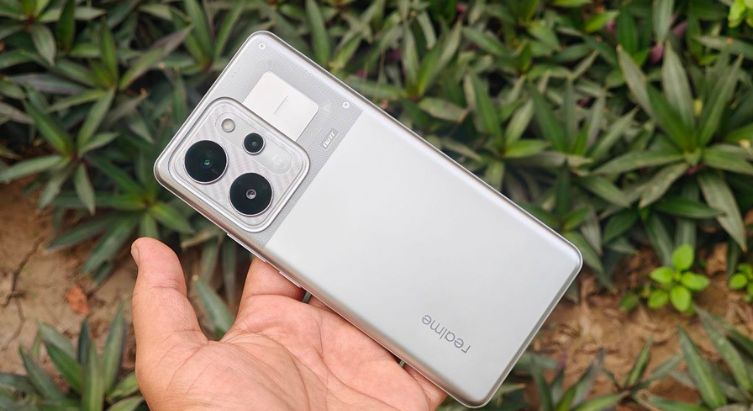
Realme’s P‑series quietly turned into a favourite among college gamers, and the P4 Power 5G is the sweet spot this year. It usually sells around the top of this budget and packs a strong mid‑range chipset with a 120 Hz display tuned well for popular titles. In practice this means your BGMI lobby feels smooth, menus don’t stutter, and you can keep high graphics with consistent performance during squad fights.
What makes it stand out is how well it balances performance and battery. The 5,000 mAh (approx) battery with fast charging lets you play two or three long sessions a day without panicking about finding a socket, and 30–40 minutes on the charger gives you another evening of gaming. Most people find that the touch response on Realme’s mid‑range panels feels a bit snappier than many budget competitors, which shows up in close gunfights and timing‑sensitive sports games. One detail many articles skip: Realme’s “GT mode” actually helps keep clocks higher for longer in some games, though you’ll feel slightly more warmth on the back panel when it’s on.
The honest limitation: the UI still has some bloatware and random app notifications until you sit and disable them, which is annoying during early setup. Choose this if you want a single phone that handles gaming, social apps, and day‑to‑day use without weird compromises. Skip it if you hate fiddling with settings and want the cleanest software out of the box.
2. OnePlus Nord CE 5 5G [Best for clean experience plus gaming]
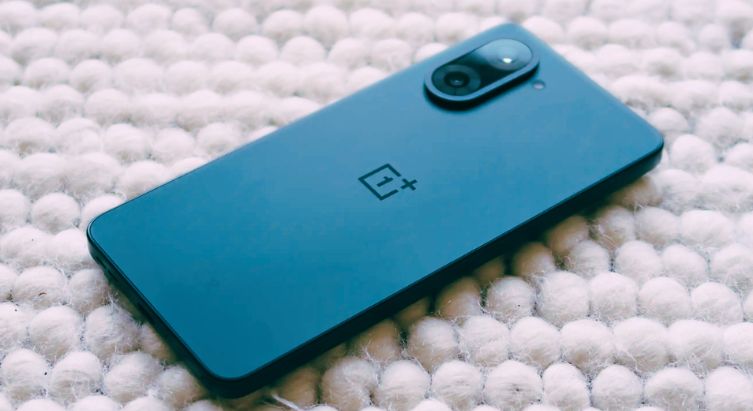
The OnePlus Nord CE 5 5G appears in almost every “under 25K” list for a reason: its mix of performance, OxygenOS, and design hits the sweet zone for many young users. For gaming, you get a capable Snapdragon‑class processor, a smooth 120 Hz display, and reliable RAM and storage options that keep heavy games in memory longer. During real matches, the key thing you notice is fewer random frame drops when you quickly switch apps (say, from Discord to BGMI and back).
One area where this phone shines is software. OxygenOS feels lighter than most custom skins in this price bracket, and the Gaming Mode actually helps block calls and notifications properly instead of just muting them. When you actually try this in a sweaty ranked session, not seeing random banner pop‑ups in the middle of a clutch spray feels like a small but real win. A detail people miss: OnePlus usually pushes updates a bit faster than some budget brands, which can matter for game compatibility and minor performance tweaks.
Must READ: iPhone 16e Review India 2026 Ranked and Reviewed
The limitation is thermals. In long, hot‑afternoon sessions, especially if you play while charging, the phone can get quite warm around the camera area, and you may feel minor throttling in heavy titles after 45 minutes. Choose this if you value a clean UI and stable day‑to‑day use along with strong gaming. Skip it if your priority is maximum sustained FPS in marathon sessions on mobile data.
3. Poco X7 Pro 5G [Best raw performance for BGMI and CoD]
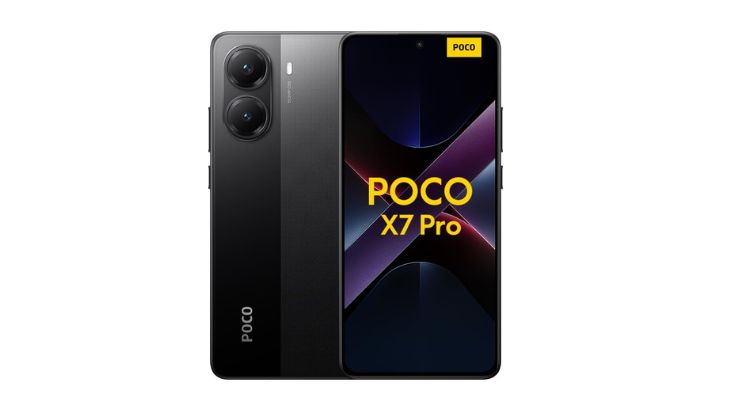
If your main goal is to push ranks and grind competitive shooters, Poco’s X7 Pro 5G is the classic “performance first” choice in this range. It features a high‑refresh display, a powerful mid‑range chipset, and aggressive performance tuning that many reviewers call out as ideal for gaming. In actual use, this shows up as very stable FPS in BGMI and CoD Mobile on high settings, especially in the first 30–40 minutes of play.
What genuinely makes it stand out is how Poco tunes its performance profiles. Even at this price, the phone tries to keep CPU and GPU clocks high for as long as thermals allow, so you feel fewer dips when grenades, smoke, and multiple enemies are on screen at once. A small but important detail: the vibration motor and audio tuning are decent enough that footsteps and hit markers feel clear when you play without earphones, which not every budget phone gets right.
The flip side: this aggressive tuning also means heat. In North Indian summers, if you are sitting without a fan and playing on mobile data, the phone can get uncomfortably warm and may throttle slightly in the second hour. Choose this if your priority is maximum performance and you usually play in a cool room or under a fan. Skip it if you know you often game outdoors or in non‑AC hostels where temperatures are already high.
4. Infinix GT 30 Pro [Best for long sessions on a tight budget]
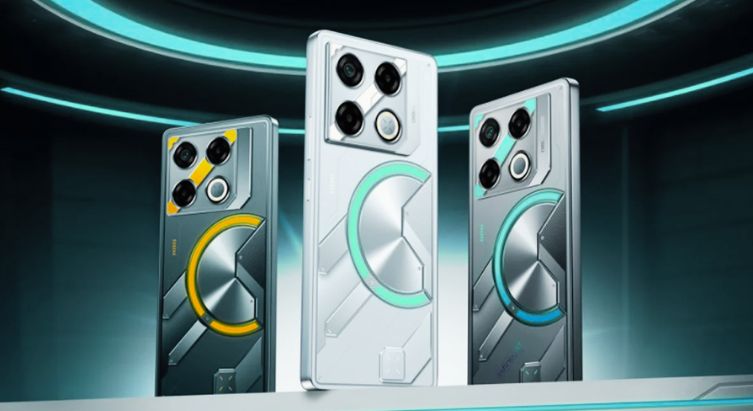
The Infinix GT series is built openly for gamers, and the GT 30 Pro continues that theme nicely under ₹25K. It usually offers a large AMOLED display with 120 Hz refresh rate and brightness high enough that you can comfortably see the screen even during daytime travel. For performance, its chipset and thermals are tuned to handle long gaming sessions with a focus on sustained performance rather than just short‑burst benchmarks.
What sets it apart is battery and thermal behaviour. Many users report that even after an hour of continuous BGMI or similar titles, the phone stays warm but not burning, and frame drops are rare unless you max out settings irresponsibly. The 5,000+ mAh battery and fast charging speed also make it a good “tournament day” phone, where you might need to play multiple customs or scrims back to back. One detail most product pages ignore: Infinix’s stereo speaker tuning is surprisingly loud in this series, which helps when you are sharing highlight clips with friends or watching sports streams between games.
The limitation is brand perception and software polish. XOS still has more preinstalled apps and visual noise than many people prefer, and long‑term update speed may not match bigger brands. Choose this if you want maximum gaming time per charge and can live with a slightly cluttered UI. Skip it if you care deeply about clean software and long‑term Android version updates.
ALSO READ: Best Phone Under ₹20000 in India 2026: The Budget “Flagships” No One Warned You About
5. OnePlus Nord CE 6 Lite 5G [Best for balanced student use]
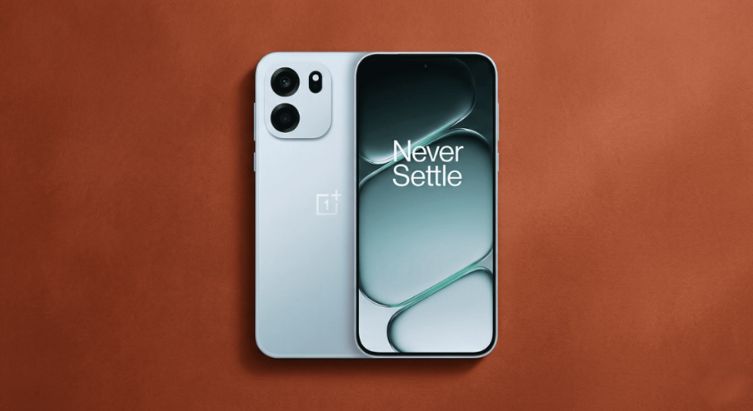
The Nord CE 6 Lite 5G, often sitting just under the ₹25K mark in offers, is aimed squarely at students who want one phone for classes, content, and casual to mid‑core gaming. It runs a capable Snapdragon‑series chip with a high‑refresh LCD/AMOLED panel (varies by variant), and in daily life it feels smooth in social apps, streaming, and lighter games. For heavier titles like BGMI, it handles medium to high graphics well with good stability, especially if you don’t insist on the absolute highest settings.
Most people find that the real strength of this phone is comfort. The in‑hand feel, haptics, and cleanish OxygenOS make it a pleasant device to use all day, so when you finally launch a game in the evening, it doesn’t feel like a “gaming brick.” The thing that surprised me with devices in this category is how a slightly lighter build and better weight distribution can reduce fatigue when you’re holding the phone in landscape for an hour. A small under‑the‑radar detail: OnePlus’s network optimization and Wi‑Fi stability are usually decent, which matters if you play in rooms where signal strength is average.
The limitation is that it is not the absolute top performer for hardcore gamers in this list. Under extended stress, FPS will sit a bit below what you’d get on the Poco X7 Pro or Realme P4 Power. Choose this if you want a phone that feels nice in daily use and can still handle serious gaming on weekends. Skip it if your top priority is squeezing every extra frame in ranked shooter lobbies.
ALSO READ: OnePlus 13 Pro Price in India – Is It Worth the Premium in 2026? Ranked and Reviewed
6. Lava Agni 4 5G [Best for Made‑in‑India value and thermals]
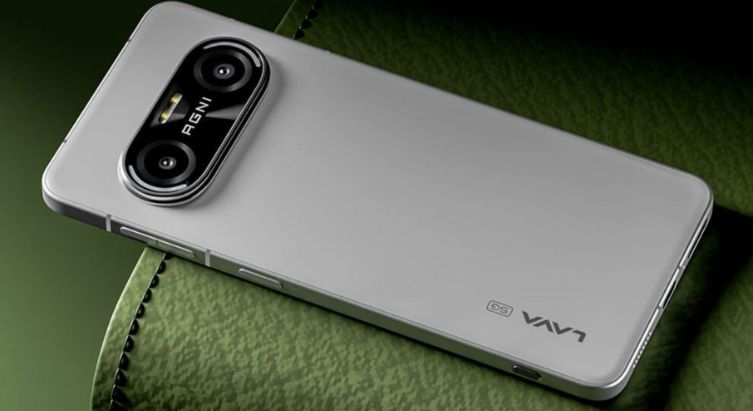
Lava’s Agni line has become a solid pick for buyers who like supporting an Indian brand without giving up on performance. The Agni 4 sits under ₹25,000 and packs a capable mid‑range 5G processor, large battery, and a high refresh‑rate display. For gaming, the phone focuses on stable performance instead of flashy marketing, and that approach works surprisingly well in longer sessions.
What makes it stand out is its thermal profile and pricing. You usually get specs that match or come close to bigger brands at a slightly lower street price, leaving room in your budget for a decent pair of wired or TWS earphones. In practice this means a more complete gaming setup for the same total money. Another detail many mainstream reviews skip: Lava’s newer UIs have improved compared to older models, with less bloat and cleaner menus, making it easier to find and tweak gaming settings.
The limitation is ecosystem and resale. Accessory options, custom ROM communities, and long‑term update expectations are smaller than for global giants, which can matter if you keep phones for 3+ years. Choose this if you want solid gaming value with lower heating and feel good about supporting a local brand. Skip it if you frequently switch phones and care a lot about resale value and brand perception.
7. Vivo T5x 5G [Best for display and casual plus streaming gamers]
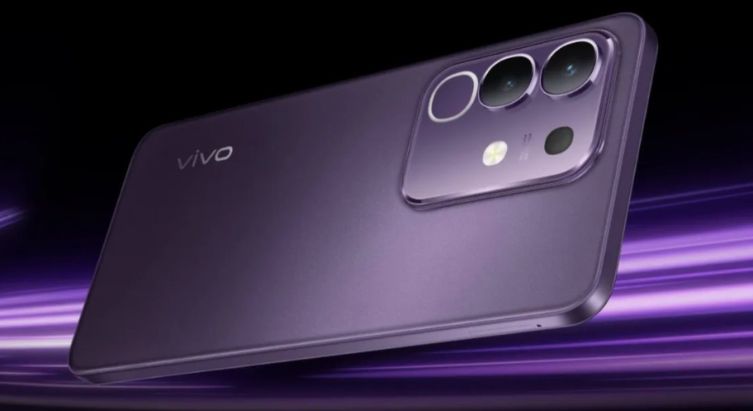
The Vivo T5x 5G appears on many “under 25K” lists thanks to its bright display and battery‑friendly performance, which makes it great for mixed use. It runs a competent 5G chipset that can handle BGMI, eFootball, and similar titles on medium to high settings without much drama, as long as you’re not chasing esports‑level settings. For sports fans who spend as much time streaming live matches and highlights as they do gaming, this kind of display plus battery combo feels very practical.
The stand‑out point here is visual comfort. Vivo tends to tune colours and brightness to look good for video content, and that carries over into gaming—stadiums, grass textures, and player kits look punchy without becoming cartoonish. The phone’s battery usually lasts a full day of mixed streaming, social use, and some gaming, which is perfect for college tournaments days where you watch and play. A detail that doesn’t show on spec sheets: Vivo’s vibration and audio profiles are tuned on the softer side, which some users find less tiring during long sessions.
The limitation is again raw performance for hardcore players. If you push max settings and long scrims, it will not match the Poco X7 Pro or Realme P4 Power in stability. Choose this if your day is 50% sports streaming, 30% social, and 20% gaming, and you care about a good viewing experience. Skip it if you’re planning to grind top‑tier ranks in shooters for hours every night.
Head‑to‑Head Comparison Table Top 4 Gaming Choices
Below is a quick side‑by‑side look at the four best options here if gaming is your main focus.
| Name | Key Strength | Main Weakness | Approx Price (₹) | Best For | Rating /10 |
| Realme P4 Power 5G | Balanced high FPS + battery life | Bloaty UI, needs setup time | 23,000–25,000 | Players who want one phone for all‑round use and serious gaming | 9.0 |
| Poco X7 Pro 5G | Highest sustained FPS in shooters | Heats up in long hot‑weather sessions | 22,000–24,000 | Hardcore BGMI/CoD rank pushers with fan/AC access | 9.1 |
| Infinix GT 30 Pro | Great thermals and gaming time/charge | Cluttered software and slower updates | 21,000–24,000 | Long casual‑to‑midcore sessions on a tighter budget | 8.7 |
| OnePlus Nord CE 5 5G | Clean UI with strong gaming support | Warmer during charging + gaming | 23,000–25,000 | Students who value software experience plus gaming | 8.8 |
For the most common use case in India—students playing BGMI, CoD, and football or racing titles for 1–2 hours a day plus regular social and streaming—the Realme P4 Power 5G is the best overall pick. It offers a rare balance: strong sustained FPS, solid battery life, and acceptable software once you remove the extra apps. If you are purely focused on competitive shooters and usually play in a cooler environment, the Poco X7 Pro 5G edges ahead for raw performance.
How to Choose the Right One for Your Situation
The simplest way to pick is to answer a few clear questions and map them straight to a phone. Start with: how serious are you about competitive gaming? If you live for ranked lobbies, scrims, and K/D flex, lean towards Poco X7 Pro 5G or Realme P4 Power 5G because they hold high FPS better than the rest. If you play mostly for fun and care more about watching sports and content, the Vivo T5x 5G or OnePlus Nord CE 6 Lite 5G will feel more than enough.
Second question: how hot is your typical gaming environment? If you usually play under a fan or in AC, you can safely pick the higher‑performance but hotter options like the Poco X7 Pro. If your reality is hostel rooms in May with power cuts and no cooling, choose Infinix GT 30 Pro or Lava Agni 4, because their thermal behaviour is friendlier in tough conditions.
Third: how much do you care about clean software and updates? If you hate bloatware and random ads, OnePlus Nord CE 5/6 Lite are your safest bets. If you’re okay spending 30 minutes uninstalling and disabling extra apps to save money and get more raw specs, Realme P4 Power or Infinix GT 30 Pro give you strong value.
Fourth: what is your secondary priority after gaming—camera, display, or battery? If camera is big for you, Nord CE series and Vivo T5x usually edge ahead. If battery is king, lean towards Infinix GT 30 Pro or Lava Agni 4. If you honestly want a “no drama” choice that works for 90% of students, pick Realme P4 Power 5G: it won’t top every chart, but it rarely lets you down.
What to Avoid in This Category
When you hunt for a gaming phone under ₹25,000, you’ll see a lot of flashy specs that don’t help much once the match starts. One big red flag is marketing centred only on camera megapixels and AI filters, with almost no mention of sustained performance or cooling design. That usually means the brand is chasing social media users, not gamers. Another danger sign: a high refresh‑rate display paired with a very weak processor—yes, the menus scroll smoothly, but games drop frames badly.
People also make the mistake of buying older heavy phones on discount that lack good cooling and fast charging. In practice this means you get a device that feels fast for two minutes, then heats up and throttles, and takes ages to charge between sessions. A common trick is brands pushing 8 GB RAM with slow storage; while 8 GB sounds big, slow UFS/eMMC and poor optimization can still cause stutters. Try to check reviews that mention actual game performance, not just spec sheets.
One thing students often overpay for is huge storage variants when they only play 2–3 games and use streaming instead of storing movies. A 128 GB model with a stronger chip is usually better for gamers than a 256 GB variant with a weaker SoC. Focus on three things: sustained FPS, thermals, and battery life. If a phone doesn’t talk clearly about these, it’s probably not built with gamers in mind, no matter how aggressive the sale banner looks.
Frequently Asked Questions
Is a 120 Hz display necessary for gaming under ₹25,000?
A 120 Hz display is very helpful but not absolutely mandatory. It makes menus, camera movement, and general scrolling feel smoother, which most gamers appreciate, especially in shooters and racing games. Some games still cap at 60 FPS, so you won’t always see full benefit, but the overall experience feels more responsive. If you have to choose between a slightly better chip and a 120 Hz panel, pick the better chip for competitive gaming and the 120 Hz panel for mixed use and visuals.
Which processor is best for BGMI and CoD Mobile at this price?
In this range, mid‑tier Snapdragon and Dimensity chips usually offer the best mix of FPS and stability. Phones like Poco X7 Pro 5G, Realme P4 Power, and Nord CE 5/6 Lite use such processors and handle BGMI and CoD Mobile well on medium to high settings. MediaTek‑based phones like Infinix GT 30 Pro have also improved a lot and can now run these games smoothly with good tuning. Your priority should be a newer mid‑range chip over an old “flagship‑style” one on deep discount.
How much RAM do I need for smooth gaming?
For Android gaming in 2026, 8 GB RAM is the new baseline if you want to keep games in memory while switching to WhatsApp, Instagram, or Chrome. Many of the phones on this list offer 8 GB as standard or a popular variant. 6 GB can still work for lighter games and casual play, but reloads will be more frequent once your phone fills up with apps. If budget allows, pick 8 GB with a solid chip over 12 GB with a weaker or older processor.
Do I really need 5G on a gaming phone?
5G is not mandatory yet, but it is becoming more useful as coverage expands in Indian metros and tier‑2 cities. Lower latency on a stable 5G network can help in competitive games, though signal quality matters more than the logo on the status bar. Since most phones under ₹25K now include 5G by default, it makes sense to future‑proof your purchase. Still, if you mostly play on Wi‑Fi at home or in hostel, prioritise chip and thermals over 5G hype.
Which phone is best for long gaming sessions without heating?
For marathon sessions, cooling and power efficiency matter more than peak performance. In this list, Infinix GT 30 Pro and Lava Agni 4 are the more comfortable choices for long play without uncomfortable heating, especially in warmer states. Realme P4 Power also handles longer sessions well if you don’t push max settings all the time. Poco X7 Pro delivers amazing FPS but gets hotter in long runs, so it is better for shorter, intense bursts or cooler rooms.
Is it safe to play while charging these phones?
Playing while charging is very common, but it does increase heat, which can hurt performance and long‑term battery health. Fast‑charging phones like Realme P4 Power and Infinix GT 30 Pro are designed to handle this somewhat, yet you will still see higher temperatures and sometimes a bit of throttling. A better habit is to top up for 20–30 minutes before long sessions and avoid tight covers while playing. If you must play while charging, keep the room cooler and reduce brightness slightly.
Are these under‑₹25K gaming phones good for eSports‑level play?
They are good enough to start competitive grinding and join local or online tournaments, but they are not on the same level as high‑end flagships used in professional LAN events. Devices like Poco X7 Pro 5G and Realme P4 Power offer stable high FPS for most ranked games and customs, which is enough for many aspiring players. For serious eSports careers, you might eventually want to move to a higher‑tier device, yet these phones are perfect for learning mechanics, positioning, and teamwork without lag being your constant excuse.
How often should I replace a budget gaming phone?
If you game regularly, expect 2–3 solid years of good performance from a well‑chosen phone in this list. After that, new game updates and heavier apps may push the hardware harder, and you’ll notice more heat and drops, especially in new titles. The best way to stretch lifespan is to avoid installing random background apps, keep storage from filling completely, and use a lighter launcher if your UI feels heavy. Phones from brands with stronger update policies, like OnePlus, tend to feel usable for longer.
Conclusion
If you want a single, safe recommendation, the Realme P4 Power 5G is the best bet: strong gaming performance, solid battery, and few real‑world weaknesses once you clean up the bloat. For pure competitive performance, especially shooters in cooler rooms, the Poco X7 Pro 5G wins on FPS and responsiveness. If your life is equal parts classes, social, and casual gaming, the OnePlus Nord CE 6 Lite 5G gives you a comfortable, clean experience that still handles heavy titles on sensible settings.
For most Indian 18–25‑year‑olds who love sports and gaming, the best default choice is Realme P4 Power 5G, because it rarely forces you to compromise in everyday use. Your next step: decide how serious you are about ranked play, match that answer to the “How to choose” section above, and shortlist two models to track during sales. When the price dips under ₹25K with a good bank offer, that is your moment to lock in and start grinding.